
Why the UK Still Lacks a Cultural Centre for Deaf People
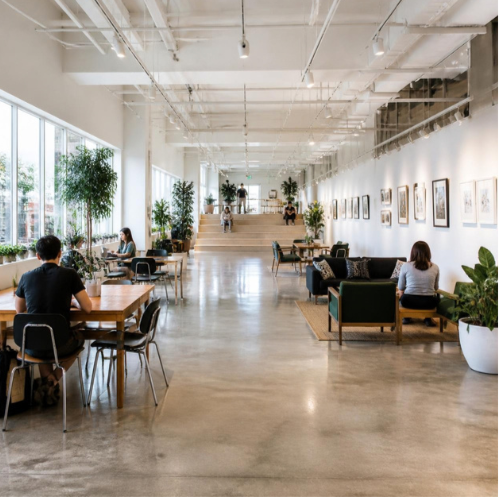
An open, light-filled space with clear sightlines — the kind of environment DeafSpace design principles aim for.
Britain is home to roughly 18 million people who are deaf or hard of hearing, yet astonishingly, there's still no dedicated cultural centre for the community anywhere in the country. That's the gap urban planner and activist Amanprit Arnold is determined to close, and her campaign is worth paying attention to — not just for what it asks for, but for how it reframes the conversation entirely.
From access to identity
Most public discussion around deafness in the UK focuses on accessibility: subtitles, hearing loops, BSL interpreters at events. All essential, all overdue in many places — but all fundamentally about integrating deaf people into hearing spaces. Arnold's DeafCity Hub campaign asks a different question: what would it look like to build a space for Deaf culture, rather than merely accommodating it within someone else's?
That distinction matters. Deaf identity isn't only about a hearing loss to be managed; for many, it's a language, a history, and a community with its own traditions worth celebrating on their own terms. A co-working and cultural hub, in this framing, isn't a service — it's a statement that the culture is rich enough to deserve a home.
Building with DeafSpace principles
What sets the DeafCity Hub proposal apart architecturally is its use of DeafSpace design principles — an approach that reshapes the built environment around visual communication rather than sound. Sightlines matter more than acoustics: wide corridors that let people sign while walking, curved layouts so no one is caught off guard, lighting designed to keep faces and hands clearly visible, colour and contrast used to reduce visual strain. It's a reminder that "accessible design" too often just means retrofitting a hearing-first world, when a genuinely deaf-led design process starts from entirely different assumptions.
Why this resonates beyond London
Arnold's project is based in London, but the underlying problem — the absence of dedicated, community-owned space — is one that smaller, local hard-of-hearing organisations up and down the country will recognise immediately. Most operate out of borrowed halls, shared community centres, or whatever room they can find on a given evening. That's a very different proposition from having a permanent space that says: this is ours, and it was built with us in mind.
It's also a useful prompt for local groups to think about their own long-term ambitions. A national flagship centre won't solve every community's need for a physical home, but the visibility of a campaign like this can shift what local organisations feel entitled to ask for — from funders, councils, and their own members.
The bigger picture
There's something quietly significant happening here: a shift from "how do we help deaf people cope in a hearing world" to "what does a world designed by and for Deaf people actually look like." That's a bigger ask, and a harder one to fund, but it's the right question. Whether or not DeafCity Hub itself becomes a reality, the campaign has already done something valuable — it's put a concrete, physical vision in front of people, rather than leaving "Deaf culture deserves a space" as an abstract principle.
Worth watching where this goes.
Read the original article: The Guardian — 'Our culture is rich and we need our own space': the fight to build a permanent centre for Deaf people
#DeafCulture #DeafSpace #Accessibility #InclusiveDesign #DeafCommunity #BSL #HardOfHearing #UrbanDesign #CulturalCentre #DeafCityHub